
The psychology of gambling: why we play in casinos
The thrill of uncertainty
The desire for thrill and excitement is a primary driving force behind why individuals are drawn to casinos. When players engage in gambling, they step into an environment filled with uncertainty, such as online casino australia , which stimulates the brain’s reward system, releasing dopamine, a neurotransmitter associated with pleasure. The possibility of winning, combined with the adrenaline rush from high-stakes games, creates a captivating atmosphere where participants feel alive and fully engaged in the experience. This thrill is often more enticing than the actual outcome, as players become addicted to the process rather than the results.
Moreover, the allure of the unknown keeps players coming back. Unlike other forms of entertainment that offer predictable outcomes, such as watching a movie or attending a concert, gambling provides an experience where anything can happen. This element of surprise intensifies emotional highs and lows, making each visit feel unique and exhilarating. For many, the thrill of uncertainty can overshadow the risks associated with gambling, leading them to chase the next big win, sometimes even after significant losses. This psychological phenomenon is essential to understanding why individuals find themselves repeatedly drawn back to gaming environments.
Furthermore, casinos are designed to amplify these feelings of excitement and anticipation. The bright lights, loud noises, and festive decor create an immersive environment that heightens emotional responses. Players become enveloped in this atmosphere, which stimulates not only the desire to play but also the impulse to continue playing even after losses. This psychological manipulation is a critical factor in the gambling experience, ensuring that players remain engaged in the activity despite the inherent risks. The design elements of casinos serve to reinforce the thrill of uncertainty, making it difficult for players to resist the urge to keep playing.
The social aspect of gaming
Casinos are not just places for individual play; they are vibrant social hubs where people gather to interact and share experiences. The communal aspect of gambling brings individuals together, fostering connections and a sense of belonging. Whether at the poker table, in a slot machine area, or at a bar, players often engage with one another, sharing stories, strategies, and tips. This social interaction can be incredibly appealing, especially for those who may feel isolated in their daily lives. The camaraderie formed in these settings enhances the overall gambling experience, making it more than just a solitary activity.
Additionally, the competitive nature of games, such as poker or blackjack, further strengthens social ties among players. Challenging each other and celebrating victories can create bonds that extend beyond the casino floor. This desire for social validation and companionship can be a significant motivator for why people frequent casinos. Players often feel a sense of shared purpose and excitement that enhances their enjoyment of the games. The friendships forged in these environments can provide a supportive network, making the gaming experience all the more enjoyable.
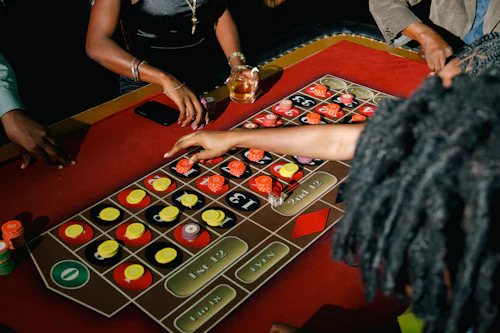
However, this social aspect can also mask the potential risks associated with gambling. Individuals might feel pressure to continue playing not only due to personal desires but also to maintain their social standing among peers. This dynamic can lead to a cycle of behavior that blurs the line between entertainment and addiction. As players seek connection and approval from others, they may overlook warning signs or engage in riskier behavior. This complex interplay between social interaction and gambling can complicate individuals’ relationships with both their peers and the activity itself.
The illusion of control
One significant psychological factor influencing gambling behavior is the illusion of control. Many players believe they can influence the outcomes of games through their choices or strategies. This perception can be particularly prevalent in games like poker, where players often feel that their skill and decision-making prowess directly impact their success. This belief can foster overconfidence, leading gamblers to spend more time in casinos as they chase the idea that they can master the game. The notion that skill can overcome luck is a powerful motivator that keeps players engaged.
Research has shown that this illusion is widespread, even in games of chance like slot machines. Gamblers might find themselves selecting specific machines or using particular betting strategies, convinced that their actions can sway the odds in their favor. This mindset creates a cognitive bias that is difficult to break, as players continue to engage in gambling despite statistical evidence suggesting they are unlikely to win. The longer they gamble, the stronger this belief becomes, reinforcing their need to continue playing. The illusion of control can lead to substantial financial losses as players chase their misguided perceptions.
The illusion of control also manifests in the form of “near misses,” a common occurrence in slot machines where players experience a close call that generates excitement. Near misses can fuel the belief that a win is just around the corner, encouraging players to persist in their gaming endeavors. This psychological phenomenon contributes to the ongoing cycle of play, where players are driven by the hope that they can outsmart the game and achieve their desired outcome. Understanding this illusion is crucial for players to recognize the potential pitfalls of their gambling habits and to make more informed choices.
The emotional rollercoaster of gambling
The emotions experienced during gambling can be likened to a rollercoaster ride, characterized by peaks and valleys that create an intense psychological experience. Wins can evoke feelings of euphoria, while losses may lead to disappointment or even despair. This emotional engagement can make gambling feel addictive, as players continuously seek the high that accompanies winning and attempt to escape the lows associated with losing. As a result, many individuals find themselves in a cycle of chasing losses, believing that the next game will turn their luck around and bring them back to an emotional high.

This emotional rollercoaster is often amplified by the environment of casinos, where stimulating sights and sounds heighten feelings of exhilaration. The thrill of winning not only boosts confidence but also temporarily alleviates feelings of loss, leading players to believe that their luck will eventually change. This mindset can contribute to increased gambling frequency, as individuals find themselves drawn to the excitement and the emotional highs that come with each gaming session. The desire to replicate past wins can drive players to return to the casino, even when they have experienced significant losses.
However, the emotional fallout from gambling can be substantial, leading to stress, anxiety, and strained relationships. It’s crucial for players to recognize their emotional responses and understand the implications of their gambling behavior. This awareness can help individuals develop healthier approaches to gaming and foster a more balanced perspective on what constitutes enjoyable entertainment versus detrimental addiction. By acknowledging the emotional highs and lows, players can better navigate their gambling experiences and make choices that prioritize their mental well-being.
Understanding responsible gaming
As we delve into the psychology of gambling, it is essential to acknowledge the significance of responsible gaming practices. Understanding the psychological triggers that drive people to casinos can empower individuals to make informed choices about their gambling habits. This awareness is vital in promoting a safer gambling environment and ensuring that the excitement of gaming remains a positive experience. Responsible gaming involves setting limits and recognizing the signs of potential addiction, allowing players to enjoy the thrill without succumbing to harmful behaviors.
Many organizations and resources are available to educate players on responsible gaming practices. These initiatives aim to provide information on self-control and offer strategies for limiting playtime and expenditure. Encouraging players to set strict budgets for gambling can help mitigate the risks associated with excessive play, allowing them to enjoy the thrill of the game without falling into problematic behaviors. Additionally, players can benefit from self-exclusion programs that promote accountability and help individuals recognize when it is time to step back.
Ultimately, understanding the psychology behind gambling can lead to improved awareness and healthier gaming habits. Players who are cognizant of their motivations, emotions, and the social dynamics at play can make better decisions that enhance their enjoyment while protecting their well-being. By fostering a culture of responsible gaming, individuals can continue to experience the excitement of casinos while minimizing the potential negative consequences of gambling. This balanced approach is key to ensuring that gaming remains a source of entertainment and does not evolve into a detrimental habit.